7 Things Every Operational Check Should Capture
Completing a check is one thing. Having a useful record of that check is another.
Whether it’s a temperature reading in a kitchen, an equipment inspection on a construction site or a cleaning check across multiple locations, a good record needs to clearly show what happened.
It might be reviewed tomorrow by a manager or requested months later during an audit. A tick in a box tells you something was done. A good compliance record tells you much more.
So, what should you be capturing?
What was checked
Every record should make it clear exactly what the check relates to.
“Equipment checked” isn’t particularly useful if you have 50 pieces of equipment. The same applies to “fridge temperature checked” if there are six fridges on site.
Include enough detail to identify the relevant asset, location, process, product or equipment. Someone who wasn’t there should still understand exactly what was checked.
When the check took place
If a check needs to happen daily, weekly, before opening or at a particular stage of production, the record should show when it actually happened.
Accurate dates and times also provide valuable context if you’re reviewing an incident or responding to an audit.
Relying on someone to remember when something happened weeks or months later isn’t much of an audit trail.
Who completed it
A good record should establish who carried out the check.
This isn’t about scrutiny. It’s about accountability and context. If something needs clarification later, knowing who completed the check makes it much easier to understand what happened.
It can also help managers understand how checks are being completed across different teams, shifts and locations.
What the actual result was
A simple pass or fail might work for some checks, but others need more detail.
That could include a temperature reading, the condition of equipment, an observation or whether a result fell within an expected range.
The information you collect should match the purpose of the check. Asking the right question in the right format makes completion easier and produces a much more useful record afterwards.
Evidence, where it adds value
Sometimes a written answer is enough. Other times, additional evidence provides useful context.
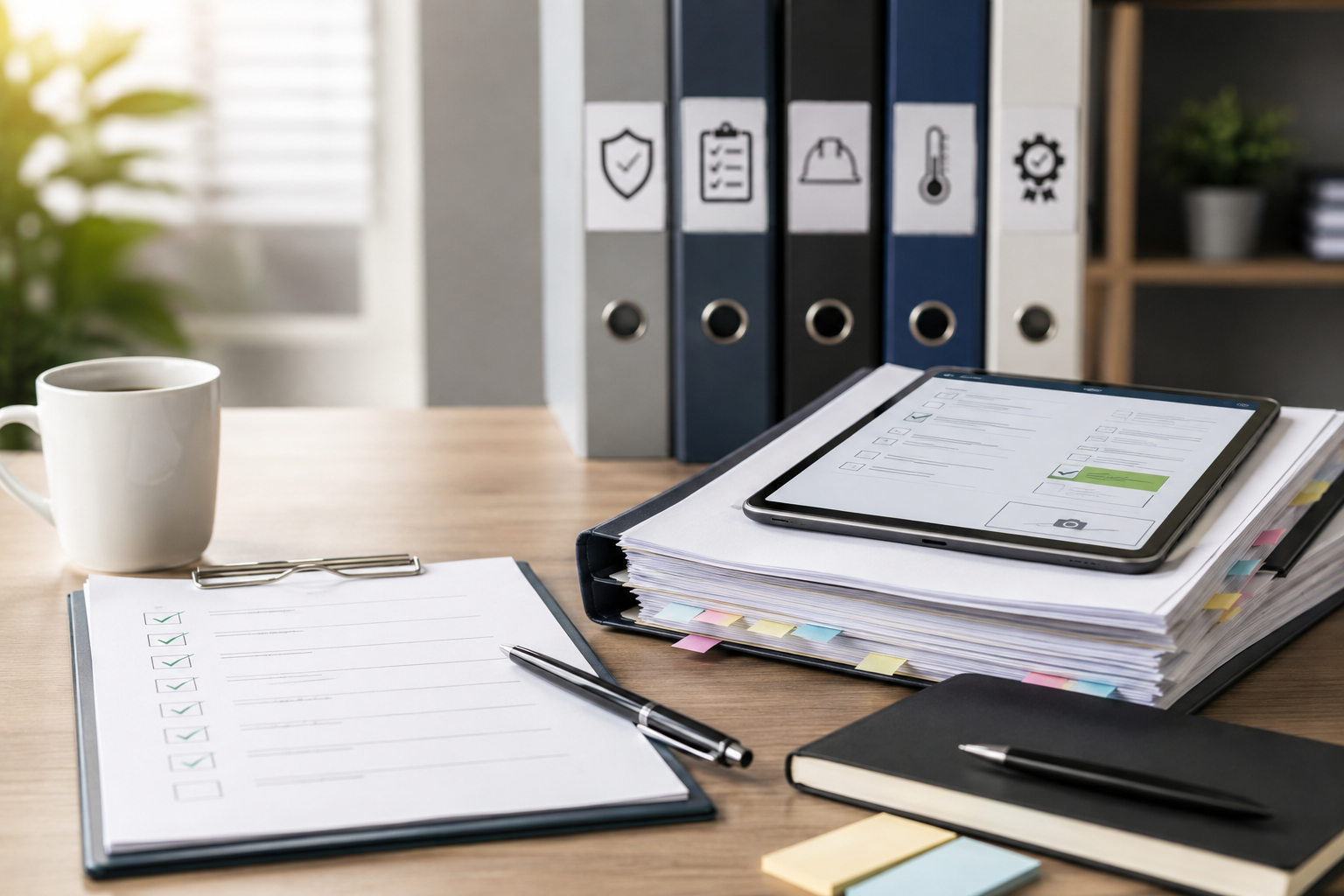
A photograph could show the condition of equipment, confirm a display reading or demonstrate how an area looked at the time of an inspection.
Not every check needs photographic evidence, but where it adds value, keeping it alongside the original record provides a clearer picture of what happened.
What happened next
Not every operational check will produce the result you expect. When something isn’t right, the initial result is only part of the story.
A useful record should also show what happened afterwards.
Was someone notified? Was another check required? Was corrective action taken?
Identifying an issue doesn’t necessarily demonstrate a failed process. Identifying it and taking appropriate action can show that the process is working exactly as intended.
Where the record lives
You can capture every detail perfectly and still have a problem if nobody can find the record again.
Paper folders, spreadsheets, inboxes, photographs and shared drives can quickly make retrieving information difficult.
Good record keeping isn’t only about capturing information. It’s about making sure the right people can access it when they need it.
Good records should make life easier
Operational record keeping shouldn’t create paperwork for the sake of paperwork.
Good records provide a clear and reliable picture of what’s happening across your operation. Capturing the right information as the work happens, keeping supporting evidence together and making records easy to retrieve can reduce the time spent chasing updates and piecing information together later.
Building better operational records with ChecQR
ChecQR helps teams turn everyday checks into clear, structured operational records.
You can create checklists around the way your organisation works, use different question types, add follow-up questions and request photographic evidence where required.
Completed checks are stored centrally, while reminders and alerts can highlight missed checks or results requiring attention. Multiple sites can also be managed through one platform, providing a clearer view across different locations.
The result isn’t simply a digital version of a paper form. It’s a record showing what was checked, when it happened, what was found and what happened next.
Because when somebody asks what happened, the answer shouldn’t be “I’m pretty sure we did it.”
You should be able to show them.